


How Edge and Cloud Computing are Influencing and Improving Predictive Maintenance
Predictive maintenance is a proactive approach that uses data analysis to predict equipment failures before they occur, allowing for timely maintenance and reducing downtime. The integration of edge and cloud computing has significantly enhanced the capabilities and effectiveness of predictive maintenance. This overview explores how these technologies are influencing and improving predictive maintenance across various industries.
Introduction to Predictive Maintenance
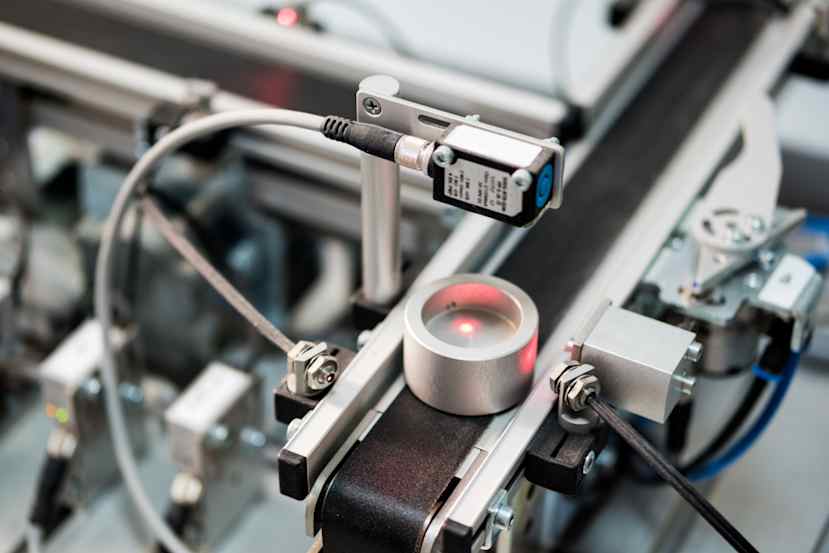
Predictive maintenance involves monitoring the condition of equipment using sensors and data analytics to predict when maintenance should be performed, an example of this is monitoring airflow within compressed air systems using SICK sensors. This approach helps in avoiding unexpected equipment failures, reducing maintenance costs, and extending the lifespan of machinery. Traditional maintenance strategies, such as reactive and preventive maintenance, either respond to failures after they occur or perform maintenance at regular intervals regardless of the equipment's condition. Predictive maintenance, on the other hand, relies on real-time data and advanced analytics to optimize maintenance schedules.
The Role of Edge Computing in Predictive Maintenance
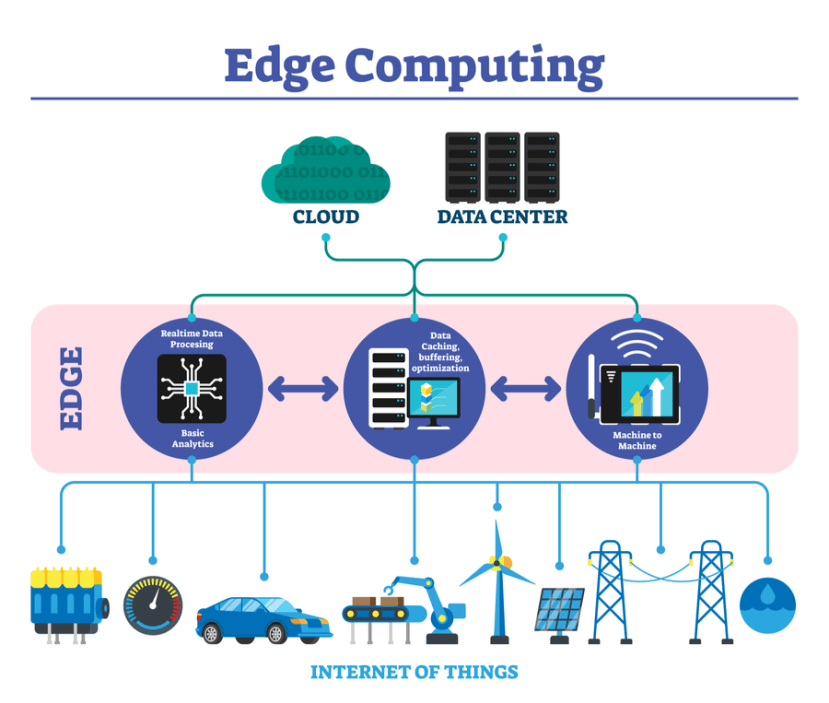
Edge computing refers to processing data closer to the source of data generation, such as sensors and devices, rather than relying solely on centralised data centres. This approach offers several advantages for predictive maintenance:
- Reduced Latency: By processing data at the edge, latency is minimized, allowing for real-time monitoring and immediate response to potential issues. This is crucial in environments where timely decisions are essential to prevent equipment failures.
- Enhanced Data Security: Edge computing reduces the need to transmit large volumes of data to centralized servers, thereby enhancing data security and privacy. Sensitive data can be processed locally, minimizing the risk of data breaches.
- Improved Reliability: Edge computing ensures continuous operation even if the connection to the central cloud is lost. This reliability is vital for critical applications where uninterrupted monitoring is necessary.
In predictive maintenance, edge computing enables the deployment of AI and machine learning models directly on edge devices. These models can analyse sensor data in real-time, detect anomalies, and predict potential failures. For example, in a manufacturing plant, edge devices can monitor machinery, detect unusual vibrations or temperatures, and trigger maintenance alerts before a breakdown occurs.
The Role of Cloud Computing in Predictive Maintenance

Cloud computing involves delivering computing services, such as storage, processing power, and analytics, over the Internet. Cloud computing complements edge computing by providing centralized resources for data storage, advanced analytics, and machine learning model training. The benefits of cloud computing in predictive maintenance include:
- Scalability: Cloud platforms offer scalable resources that can handle large volumes of data generated by numerous sensors across multiple locations. This scalability is essential for organizations with extensive and distributed assets.
- Advanced Analytics: Cloud computing provides access to powerful analytics tools and machine learning frameworks that can process and analyse vast amounts of data. These tools enable the development of sophisticated predictive models that can identify complex patterns and correlations.
- Remote Access: Cloud-based predictive maintenance solutions allow maintenance teams to access data and insights from anywhere, facilitating remote monitoring and decision-making. This capability is particularly valuable for organizations with geographically dispersed operations.
In a typical predictive maintenance setup, sensor data is collected and pre-processed at the edge. The processed data is then transmitted to the cloud, where it is stored and analysed using advanced machine learning algorithms. The cloud platform can aggregate data from multiple sources, enabling comprehensive analysis and more accurate predictions.
Synergy Between Edge and Cloud Computing
The combination of edge and cloud computing creates a powerful ecosystem for predictive maintenance. Utilising the strengths of both technologies can deliver optimal performance and reliability:
- Data Pre-processing at the Edge: Edge devices can perform initial data filtering, aggregation, and anomaly detection, reducing the volume of data that needs to be transmitted to the cloud. This pre-processing helps in managing bandwidth and ensures that only relevant data is sent for further analysis.
- Centralised Analysis in the Cloud: The cloud provides the computational power and storage capacity needed for in-depth analysis and model training. By centralizing these tasks, organizations can develop more accurate and robust predictive models.
- Real-time Decision Making: Edge computing enables real-time decision-making by processing data locally and triggering immediate actions. For instance, if an edge device detects a critical issue, it can shut down the equipment to prevent damage while simultaneously sending an alert to the cloud for further analysis.
- Continuous Improvement: The cloud can continuously update and refine predictive models based on new data and insights. These updated models can be deployed back to the edge devices, ensuring that the predictive maintenance system remains effective and up-to-date.
Real-world Applications and Benefits
The integration of edge and cloud computing in predictive maintenance has been successfully implemented across various industries, including manufacturing, energy, transportation, and healthcare. Here are examples:
- Manufacturing: In manufacturing plants, predictive maintenance systems monitor machinery and equipment to detect signs of wear and tear. Taking this approach reduces unplanned downtime, increases production efficiency, and extends the lifespan of critical assets, thus reducing operational costs and increasing profit.
- Energy: In the energy sector, predictive maintenance is used to monitor power plants, wind turbines, and other infrastructure. By predicting equipment failures, energy companies can optimise maintenance schedules, reduce operational costs, and ensure a reliable energy supply.
- Transportation: Predictive maintenance is applied to monitor the health of vehicles, aircraft, and trains. This helps in preventing breakdowns, improving safety, and reducing maintenance costs.
- Healthcare: In healthcare, predictive maintenance is used to monitor medical equipment and devices. This ensures that critical equipment remains operational, reducing the risk of failures during medical procedures and improving patient care.
Challenges and Future Directions
While the integration of edge and cloud computing in predictive maintenance offers numerous benefits, it also presents challenges. These include:
- Data Integration: Integrating data from diverse sources and ensuring compatibility between edge and cloud systems can be complex.
- Security Concerns: Protecting sensitive data and ensuring secure communication between edge devices and the cloud is critical.
- Model Accuracy: Developing accurate predictive models requires high-quality data and continuous refinement.
- Data Tasks: Edge devices usually have less processing power, so this needs to be taken into consideration if the task demands high levels of data processing.
- Developing Trend: As AI algorithms develop and improve, this combined with real-time processing, improved security and lower latency will further enhance predictive maintenance capabilities.
Moving to the Edge, 3 examples of Edge Computing
1: IoT Predictive Maintenance Prototype
Overview: A collaboration led to the development of an IoT-based predictive maintenance system aimed at monitoring machine motors and predicting potential malfunctions.
Implementation: The system used a carrier board with a module connected to an edge computing platform. Data from a vibration sensor attached to a motor was processed locally to recognise different motor states, such as stop, run, and malfunction. Machine learning models were deployed to the edge device, allowing the system to operate independently of the internet.
Outcome: The prototype successfully demonstrated the ability to monitor and predict motor behaviour, potentially saving industrial organisations from costly mechanical failures and downtime.
2: Advanced Predictive Maintenance
Overview: This study explored the use of edge computing for advanced predictive maintenance across various industries. The focus was on monitoring data from numerous sensors to predict equipment conditions and flag the need for repairs pre-emptively.
Implementation: Edge computing was utilised to handle the vast amounts of data generated by sensors, reducing latency, and providing real-time insights. This approach also addressed data security concerns by minimizing the need to transmit sensitive information to the cloud.
Outcome: The implementation of edge computing in predictive maintenance led to reduced downtime and increased return on assets, demonstrating significant benefits for industries such as manufacturing and energy.
3: Maximising Edge Computing in Manufacturing
Overview: Research was conducted on the most impactful use cases for edge computing in manufacturing, including predictive maintenance, asset performance management, and quality control.
Implementation: The study focused on deploying deep sensor networks and leveraging edge computing to monitor equipment health and predict failures. By integrating edge computing with existing management systems, manufacturers could achieve real-time monitoring and decision-making.
Outcome: The case studies showed that edge computing in predictive maintenance improved operational efficiency, reduced maintenance costs, and enhanced overall equipment reliability.
What We Know About Edge and Cloud
Edge and cloud computing are transforming predictive maintenance by providing real-time data processing, advanced analytics, and scalable resources. This combination enhances the ability to predict equipment failures, optimize maintenance schedules, and reduce operational costs. As industries continue to adopt these technologies, predictive maintenance will become an integral part of modern asset management, driving efficiency and reliability across various sectors.
Comments